Home » Jazz Articles » From the Inside Out » Demons and Wizards, June Bugs and Jakarta
Demons and Wizards, June Bugs and Jakarta

Courtesy Far Out Recordings


Hermeto Pascoal
multi-instrumentalist1936 - 2025
Planetario Da Gavea
Far Out Recordings
2022
Planetario Da Gavea is an enormous, sprawling document from a February 1981 outdoor performance series by Brazilian jazz wizard
Hermeto Pascoal
multi-instrumentalist1936 - 2025
Ten pieces, most never recorded before and several never performed again, stretch across two hours of gloriously inspired, indulgent sound featuring the composer, instrumentalist, and sorcerer who

Miles Davis
trumpet1926 - 1991

Jovino Santos Neto
pianob.1954
Carlos Malta
saxophoneItiberê Zwarg
bassMarcio Bahia
drums
Ze Eduardo Nazario
drums
Egberto Gismonti
guitarb.1947

Milton Nascimento
guitar and vocalsb.1942
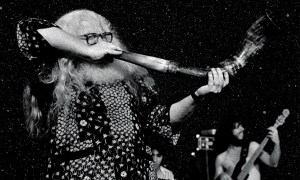
Pascoal blows a howl through a horn to call "Era Pra Ser e N?o Foi" to order, then the ensemble bounds into their long and winding collective melody, extended and angular, definitely jazzy if not a jazz song. Zwarg's bass solo seems to tie and untie the rhythms and boundaries, tumbling into a syncopated round of drum explosions that eventually transition into "S?o Jorge / Ilza na Feijoada."
"S?o Jorge" opens this medley with a keyboard solo (or perhaps dueling keyboards) that somersaults between bright acoustic (piano) and electric sounds, tumbling further upward and outward into improvisational,

Return to Forever
band / ensemble / orchestra
Chick Corea
piano1941 - 2021
The curtain draws closed with the dancing samba "Jegue." Even though in quicksilver 7/4 time, every horn, reed, keyboard, and drum seem to assemble and then move out in the same direction, as if caught up in the magic of Disney animation, painting the picture of these musicians dancing offstage under the cover of the flutist's colorful airy dance as the music slowly fades to black silence.
Planetario Da Gavea hurls a ball of confusing sound with long instrumental and vocal solo passages and even longer solos splattered over reeling and rocking two-chord vamps. It might have made a better concert film, so you could both see and hear this freewheeling performance, than only this soundtrack to it.
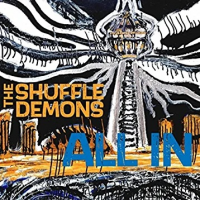

Shuffle Demons
band / ensemble / orchestrab.1984
All In
Self-Produced
2021
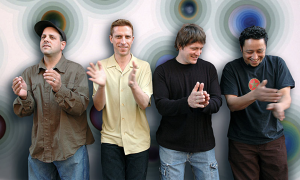
There aren't too many bands still standing from back when
Shuffle Demons
band / ensemble / orchestrab.1984

Kelly Jefferson
saxophone, tenor
Matt Lagan
saxophone
Richard Underhill
saxophone, alto
Mike Downes
bassb.1964
Stich Wynston
drums"One Step Ahead" and "Watch Your Step" simmer like

James Brown
vocals1933 - 2006
"Walk the Walk" seems to take these two "Steps" to a higher and hotter degree, and is fun to listen to because the musicians—especially in the saxophone call and response section, where one voice calls out and the other two reply—make it sound so fun to play. Furthermore, the swings in dynamics and momentum in "Walk the Walk," like when the bass drops out and leaves the drums to slug it out alone against all three saxophone voices and then peels back into funk as slippery as a banana peel, could quite possibly help you get on your good foot.
"COVID Blues" ties its complicated and feverish melody up in knots. Bassist Downes and drummer Wynston play furiously, sprinting through this blues, but it sounds like the rhythm section can barely keep up with or even fend off the attack of this three-headed saxophone monster no matter how fast or hard they play.
"Wait, What?" also jumps off at and maintains a blistering pace. It sounds like there's nothing holding back the fires from the saxophones out front or the rhythm engine room below (because there isn't) as the tempo, rhythm and sound grow increasingly intense.
"Wait, What?" is also what you might say to yourself while trying to keep up and remain All In with the crazy energy, pace, and rhythms on this Shuffle Demons' set.

Quinn Sternberg
bassb.1994
Cicada Songs
Mind Beach Records
2022
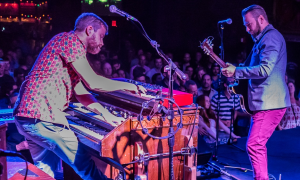
On Cicada Songs, bassist
Quinn Sternberg
bassb.1994
The first Cicada song is "June," Sternberg and company's collective musing about what Sternberg's beloved dog named June might dream about. "June" opens with a shimmer of cymbals, like you're passing through the gossamer curtain of sleep and are now freely wafting through dreamland. "June" doesn't feel like a straight ahead or linear melody but more like Sternberg's bass,

Oscar Rossignoli
pianoPeter Varnado
drums
Sam Taylor
saxophone, tenorb.1982

Charlie Ballantine
guitarBallantine suspends country-blues guitar notes like shimmering sunlight shining down on "Porch Cat," a most comfortable if not downright lazy-sounding groove that curls up, unwinds, and rewinds like a napping feline. Guitar and bass duet over the bridge, and then Ballantine strums chords that seem to float and hang up in the air to shine down onto the rhythm section and keyboards.
"Remember the Birds" flutters on gorgeous acoustic piano like a hatchling out from under the closing cover of "Alter Ego," perfectly sequenced with almost no silent space between them. Taylor's tenor fleshes out this melody with a sound so full and warm it almost feels like breathing, and helps to launch Rossignoli's strongly melodic mid- song piano spotlight.
Sternberg based the title track and single on the rhythm of cicadas he heard chirping one Louisiana night; he discovered they were singing in 7/4 and wrote "Cicada Song" around their natural nocturnal rhythm, adding a bridge that builds up and collapses in 5/4. Interlocking guitar and saxophone in the foreground mesh with interlocking piano and bass rhythms in the background, radiating shimmering waves of cresting and ebbing music—just like the cicada's natural sound.
Sternberg runs the conceptual table by bringing the listener through the day's end with Cicada Songs's closing trilogy: Unresolved "Insomnia" worries through guitar and saxophone; quick melodic variations move like snapshots through reflections on "What a Day"; and then "Ami's Lullaby" comes to rest with a quiet yet resounding jazz from the American heartland sound.
 Travel
Travel
ITI Records
2022
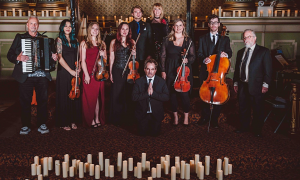
Travel compiles a musical travelogue through eight cities from Istanbul (Turkey) through Oslo (Norway) to Tokyo (Japan), rendered in the acoustic quartet sound of trumpet, piano, bass, and percussion. Composers
Marco Vezzoso
trumpetAlessandro Collina
pianoLead and solo voices Vezzoso (trumpet and flugelhorn) and Collina (piano) receive great assistance from their exceptional, elastic rhythm section of bassist Dominique di Piazza and drummer-percussionist

Trilok Gurtu
tablasb.1951

John McLaughlin
guitarb.1942
"Breathing Istanbul" touches down upon di Piazza's singing bass and Collina's soft accompaniment, and then Vezzoso's flugelhorn soars up and away from the rhythm track like a powerful jet airliner whispering through the clouds after takeoff, while Gurtu's percussion pops up below like mileposts ticking past on the journey. Even if you have no experience with Istanbul, this song still feels as natural as breathing.
Percussion and piano build into the power that moves "Oslo No Light," with Vezzoso's horn majestically climbing their solid and sympathetic steps and di Piazza doubling his bass time when the ensemble turns back into the melody for the closing verse of this elastic, elegant song. Gurtu's resolute double-time gallop in the rhythm line and Vezzoso's horn ascending into "Jakarta's Skyline" seems like watching the outline of a city emerging in the distance as you move toward it, a bright and satisfied sound full of sunlight and warmth.
The composers write this erudite quartet into a blues bar as they "Wake Up in Manila," with heavy, descending blue piano chords and percussion recorded so intimately that you can almost feel Gurtu's hands upon them. Vezzoso's groaning trumpet tone pulls out (puts in?) even more sadness, his emotive solo resplendent with long strong notes and longer, stronger silences, all in an elegantly synchronized dance with Collina's slippery piano blues.
In a world full of man-made cruelty and hardship, it's good to be reminded that man can also create peace and beauty. No matter where you
Tracks and Personnel
Planetario Da GaveaTracks: Disc One: Paz Amor e Esperan?a / Hom?nimo Sintróvio; Samba Do Belaqua; Vou Pra Lá e Pra Cá; Bombardino. Disc Two: Era Pra Ser e N?o Foi; S?o Jorge / Ilza na Feijoada; Duo de Bateras; Duo de Bateras II; Ferragens; Jegue.
Personnel: Hermeto Pascoal: piano, baritone horn, tenor saxophone, flute, vocals; Carlos Malta: soprano saxophone, flute, piccolo; Zé Eduardo Nazario: drums, percussion; Marcio Bahia: drums, percussion; Itiberê Zwarg: acoustic bass, electric bass, piano; Jovino Santos Neto: piano, electric piano, clavinet, harmonium; Pernambuco: percussion.
All In
Tracks: All In; One Step Ahead; Wait, What?; Watch Your Step; Five's Company; COVID Blues; Walk the Walk; Strange Days; Inside Out; Let's Play.
Personnel: Richard Underhill: alto sax, baritone sax; Kelly Jefferson: tenor sax; Matt Lagan: tenor sax; Mike Downes: acoustic bass; Stich Wynston: drums.
Cicada Songs
Tracks: June; Cicada Song; Alter Ego; Remember the Birds; Porch Cat; Insomnia; What a Day; Ami's Lullaby.
Personnel: Quinn Sternberg: electric bass, upright bass; Sam Taylor: tenor sax; Oscar Rossignoli: piano, Fender Rhodes; Peter Varnado: drums; Charlie Ballantine: guitar; Max Bronstein-Paritz: guitar.
Travel
Tracks: Breathing Istanbul; A Tuk Tuk for Phnom Penh; Oslo No Light; Wake Up in Manila; Jakarta's Skyline; Moonlight in Prague; Canton's Mood; A Foggy Tokyo.
Personnel: Marco Vezzoso: trumpet, flugelhorn; Alessandro Collina: piano, keyboards; Dominique di Piazza: electric bass; Trilok Gurtu: tabla, percussion, drums.
Tags
From the Inside Out
Chris M. Slawecki
Hermeto Pascoal
Far Out Recordings
Hermeto Pascoal
Miles Davis
Jovino Santos Neto
Carlos Malta
Itiberê Zwarg
Pernambuco
Marcio Bahia
Ze Eduardo Nazario
Egberto Gismonti
Milton Nascimento
Return To Forever
Chick Corea
Shuffle Demons
Self-Produced
Kelly Jefferson
Matt Lagan
Richard Underhill
Mike Downes
Stich Wynston
James Brown
Quinn Sternberg
Mind Beach Records
Oscar Rossignoli
Peter Varnado
Sam Taylor
Charlie Ballantine
Travel
ITI Records
Marco Vezzoso
Alessandro Collina
Dominique di Piazza
Trilok Gurtu
john mclaughlin
Comments
PREVIOUS / NEXT


Support All About Jazz
 All About Jazz has been a pillar of jazz since 1995, championing it as an art form and, more importantly, supporting the musicians who make it. Our enduring commitment has made "AAJ" one of the most culturally important websites of its kind, read by hundreds of thousands of fans, musicians and industry figures every month.
 Buy Now